


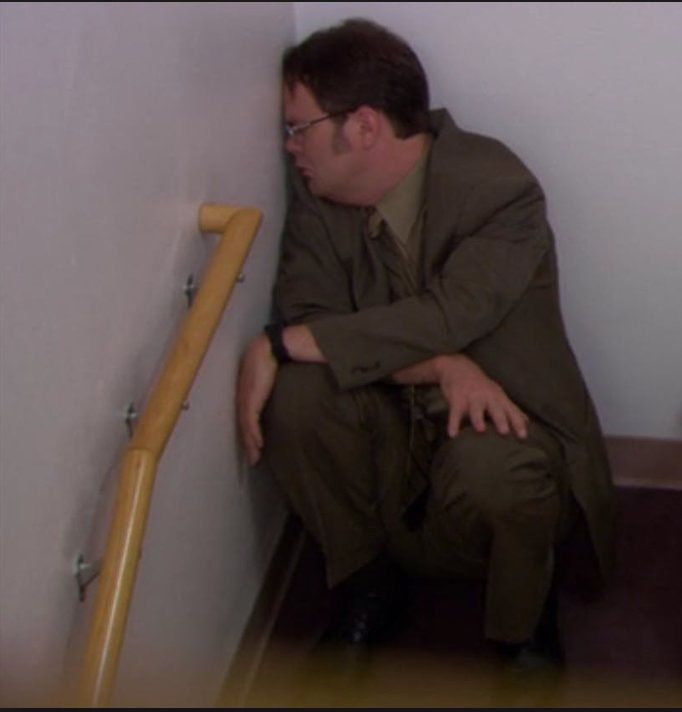
Have you ever found yourself replaying a conversation 372 times in your head because someone might have meant something snarky? Or maybe a casual “We need to talk” text sends you into a full-blown spiral of “What did I do wrong?” Welcome to the RSD club. Membership is free, but it comes with a lifetime supply of overthinking and a Ph.D. in people-pleasing. For me, it’s the gut-punch feeling when I interpret a neutral comment as an insult or the way I replay moments where I might have sounded awkward. If rejection feels like a personal attack—even when it’s not—let’s talk about RSD, aka Rejection Sensitivity Dysphoria for ADHDers especially.
What is Rejection Sensitivity Dysphoria (RSD)?
Let’s break it down: RSD is when your brain takes perceived rejection or criticism and turns it into an emotional hurricane. It’s not just sensitivity; it’s sensitivity on a trampoline during a thunderstorm. For me, it feels like an amplified “fight or flight” mode, where my emotions take the wheel, and logic is shoved into the backseat.
Here’s why ADHD brains are more prone to it:
- Dopamine drama: ADHD brains already struggle with regulating dopamine, which makes emotional sensitivity skyrocket.
- Hyper-awareness: We’re often hyper-focused on social cues, which can amplify even neutral feedback into something catastrophic.
Common signs of RSD include:
- Avoiding situations where rejection might happen (goodbye, dating apps).
- Over-apologizing to avoid criticism. (Guilty as charged.)
- Spiraling emotionally after perceived slights.
How RSD Affects Daily Life
RSD doesn’t just sit quietly in the background. It’s like that one friend who always makes things about them. Here’s how it can show up:
- Relationships: Constantly seeking reassurance or feeling insecure about where you stand. (Cue the internal monologue: “Did I say something wrong?”)
- Work: Dreading feedback or avoiding taking risks because failure feels unbearable.
- Mental health: Anxiety and overthinking every. single. interaction.
- Self-image: Feeling like you’re either “too much” or “not enough.”
When RSD creeps into my life, it’s often in the form of over-apologizing for things that don’t even require an apology or mentally crafting elaborate explanations to avoid misunderstandings. Sound familiar?
GIF Placeholder: “Cartoon brain with ‘Did I mess up?’ thought bubble”
How to Manage Rejection Sensitivity
Here’s the good news: RSD doesn’t have to control you. With a little strategy and a sprinkle of self-compassion, you can learn to navigate the emotional rollercoaster.
Practical Tips for Emotional Regulation
- Pause before reacting: Take a deep breath and give yourself a second to process before spiraling. Sometimes, I literally say, “Pause, not panic” to myself out loud.
- Reality check: Ask yourself, “Is this really about me, or am I projecting?” Nine times out of ten, it’s not as personal as it feels.
- Reframe criticism: Try to see it as feedback for growth rather than a personal attack. This one takes practice, but it’s worth it.
Affirmations for RSD
- “I’m not everyone’s cup of tea, but I’m somebody’s double shot of espresso.”
- “Mistakes don’t define me—my bounce-back game does.”
- “Rejection is redirection. Onward to better things!”
- “Feeling all the feels just means I’m hella alive.”
Building Resilience
- Affirmations: Remind yourself of your worth. Example: “I am more than one moment of perceived rejection.”
- Journaling: Use it to process emotions and untangle feelings. Sometimes writing down the spiraling thought helps defuse its power.
- Therapy or ADHD coaching: Professional tools can help you build long-term emotional resilience. A therapist once reminded me, “Feelings aren’t facts,” and that mantra has stayed with me.
Turning RSD into a Superpower
Sure, RSD makes you feel all the feelings, but that’s not a bad thing. Sensitivity also means you’re empathetic, intuitive, and deeply caring. In relationships, it can make you a great listener. In work, it can make you highly attuned to others’ needs.
Reframe your sensitivity as a gift—just with a user manual. Use your ability to sense emotions as a tool to connect more deeply with others. And hey, at least you’ll never ghost your friends because you care way too much!
Let’s Talk About It
Does this sound like you? Let’s chat about it in the comments! Share your RSD moments or what strategies work for you. You’re not alone, and if you’ve made it this far, you’ve already taken the first step toward understanding your spicy brain.
For more on ADHD and emotional regulation, check out:
- Turning ADHD into Your Advantage
- Hidden Signs of ADHD
- Rejection Sensitive Dysphoria and ADHD by ADDitude Magazine
RSD might feel like a supercharged storm, but with the right tools, it can be navigated. Remember: your sensitivity is part of what makes you amazing. Let’s turn this storm into a spark.

1 Comment
Pingback: Overthinking Queens: 10 Things Every Chronic Overthinker Secretly Does - Spicy ADHD Journey